
Top 10 Essential Ingersoll Rand Service Tasks for Compressors
Industrial air compressors require consistent, standardized maintenance to sustain stable output and extend service life. For Ingersoll Rand compressors, following official service procedures eliminates hidden faults, reduces energy consumption, and avoids costly unplanned downtime. Top 10 Essential Ingersoll Rand Service Tasks for Compressors covers the most critical daily, monthly, and annual maintenance procedures tailored for Ingersoll Rand rotary screw, reciprocating, and oil-free compressor units. These ten professional service tasks help factory operators build a complete maintenance system and keep compressors running under optimal industrial conditions.
1. Daily Visual and Operational InspectionThe first fundamental service task is daily visual inspection. Operators need to check pressure gauges, temperature displays, and oil level indicators to confirm stable operating data. Technicians observe abnormal noise, vibration, and oil leakage during startup, marking potential mechanical risks for subsequent troubleshooting. This simple inspection effectively prevents sudden shutdowns caused by minor overlooked faults.
2. Condensate Draining and Pipeline CleaningMoisture accumulation inside air tanks and pipelines leads to internal corrosion and contaminated compressed air. Regular condensate draining removes water impurities generated during compression. Ingersoll Rand service guidelines recommend draining condensate every day in humid environments to protect pipeline components and maintain clean air quality.
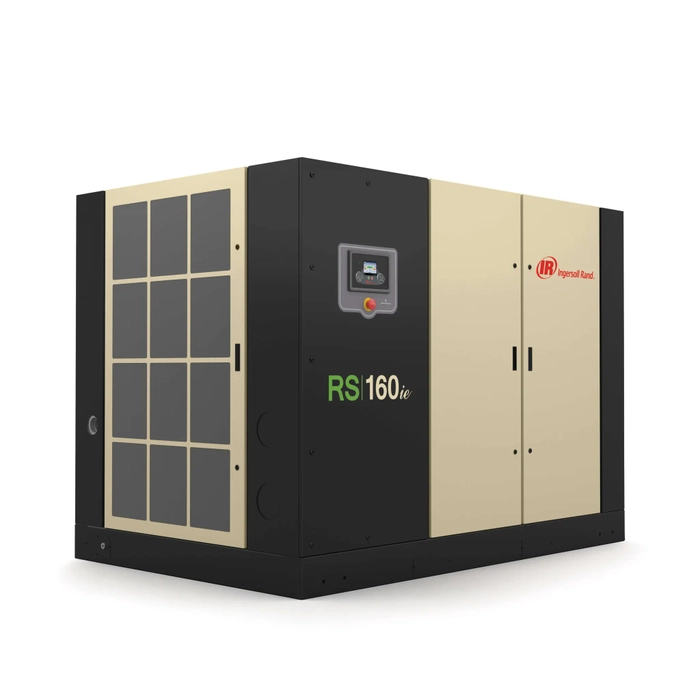
3. Air Filter Inspection and ReplacementAir filters block dust and industrial particles from entering the air end. Clogged filters increase intake resistance and reduce compression efficiency. Authorized service teams inspect filter contamination regularly and replace genuine Ingersoll Rand filter elements according to running hours to ensure smooth air intake and prevent internal component abrasion.
4. Oil Filter and Lubricant MaintenanceClean lubricant guarantees smooth mechanical operation. This service task includes oil quality testing, oil contamination detection, and regular oil filter replacement. Ingersoll Rand compressors require dedicated genuine lubricants to resist high-temperature oxidation, reduce friction, and protect bearings and rotor assemblies.
5. Air-Oil Separator Element ReplacementThe separator element separates oil from compressed air to reduce oil consumption and ensure clean air output. Overused separators cause excessive oil carryover and pressure drop. Professional service replaces aging separator elements during medium-cycle maintenance to stabilize internal air pressure.
6. Cooling System CleaningRadiators and cooling fans easily accumulate dust and debris, leading to compressor overheating. Service technicians clean cooler surfaces, check fan rotation, and test heat dissipation efficiency. Effective cooling keeps the operating temperature within the standard range and avoids high-temperature automatic shutdown.
7. Seal and Gasket InspectionLong-term vibration causes rubber seals and gaskets to age and deform. The service checklist includes checking pipeline joints, valve seals, and end cover gaskets. Replacing worn genuine sealing parts eliminates air leakage and oil seepage, improving overall operational tightness.
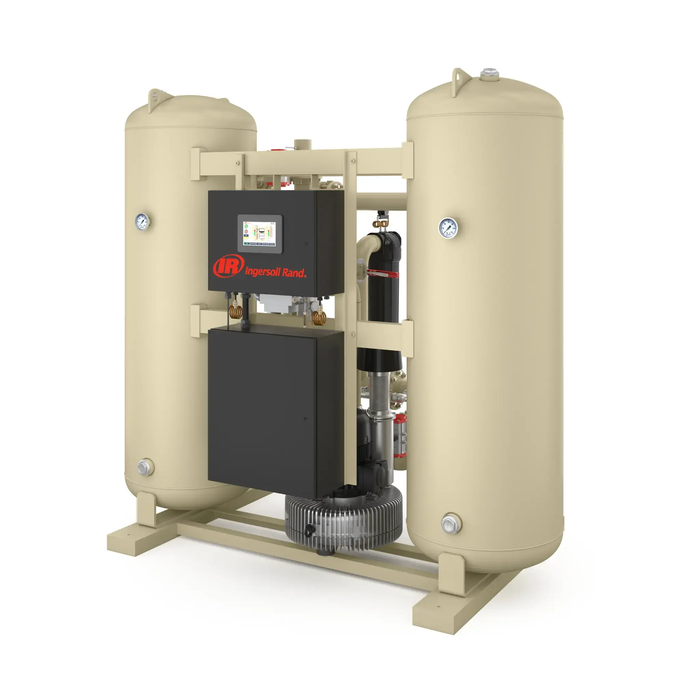
8. Electrical System TestingStable electrical systems ensure safe compressor operation. This task covers wire tightening, contactor inspection, motor insulation testing, and circuit parameter calibration. Regular electrical maintenance prevents short circuits, current instability, and electrical component burnout.
9. Valve Function CalibrationCritical control valves including intake valves, minimum pressure valves, and thermostatic valves require regular calibration. Technicians test valve flexibility, clean internal dirt, and adjust opening and closing parameters. Accurate valve control maintains stable pressure and normal oil circulation.
10. System Performance Audit and Data RecordingThe final essential task is a comprehensive performance audit. Service engineers record operating data such as exhaust pressure, exhaust temperature, and current load. They analyze equipment aging trends, generate maintenance reports, and provide personalized optimization suggestions to improve energy efficiency.
In conclusion, Top 10 Essential Ingersoll Rand Service Tasks for Compressors form a complete and scientific maintenance framework. From daily inspection to annual performance auditing, these standardized tasks reduce failure rates, cut energy waste, and maximize compressor service life. Adopting official Ingersoll Rand service standards and genuine OEM parts ensures long-term stable operation for all compressor models, bringing continuous economic benefits to industrial production lines.
People who like this article also like:Genuine Air Compressor Parts for Ingersoll Rand Equipment