
Step-by-Step Guide for Ingersoll Rand Air Compressor Motor Replacement
The electric motor serves as the core power unit of every Ingersoll Rand air compressor, driving rotor operation, air compression and overall system circulation. After years of continuous operation under high load, industrial compressor motors often suffer from winding aging, bearing wear, overheating failure and power attenuation. When routine maintenance cannot restore stable performance, professional Ingersoll Rand air compressor motor replacement becomes the most effective solution to recover equipment efficiency and avoid long-term production shutdowns. Understanding the correct replacement process, selection standards and installation precautions helps facility teams complete upgrades safely and extend compressor service life.
Before starting Ingersoll Rand air compressor motor replacement, accurate model parameter confirmation is the primary step to avoid matching errors. Ingersoll Rand equips different compressor series with exclusive motors with varying horsepower, voltage, phase parameters, frame sizes and rotating speeds. Key specifications include single-phase or three-phase design, rated RPM, voltage grade, enclosure type and shaft dimensions. Maintenance teams must verify the original motor part number and compressor serial number rather than selecting replacement motors based on appearance alone. Mismatched parameters will cause insufficient power output, frequent tripping or even irreversible damage to the host system.
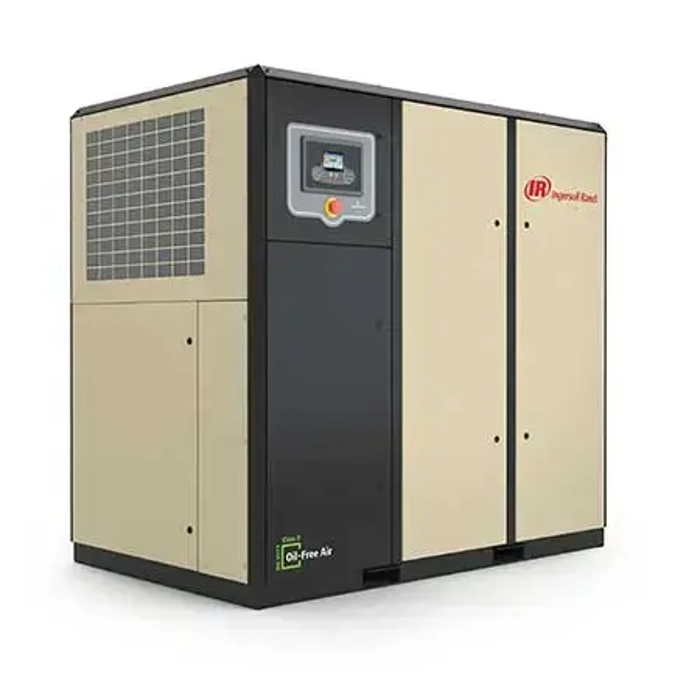
Full safety preparation is essential throughout the motor replacement workflow. Technicians must completely cut off the main power supply and release residual compressed air inside the tank and pipelines to eliminate electric shock and mechanical injury risks. It is also necessary to cool down the equipment fully to avoid high-temperature burns. After power isolation, staff can start disassembling peripheral accessories, including connecting wires, protective covers, fan components and belt tension structures. Standardized disassembly steps prevent unnecessary damage to peripheral control parts and ensure smooth subsequent installation.
The formal replacement process includes old motor removal, position calibration and new motor installation. After removing fixing bolts and connection components, technicians need to check the base mounting level and clean dust and oil stains on the installation platform. The new genuine Ingersoll Rand motor must be fixed stably with balanced bolt fastening force to prevent operational vibration caused by loose installation. Aligning the belt or coupling position accurately ensures consistent power transmission efficiency and reduces mechanical friction during compressor operation.
Wiring and debugging are the most critical links in Ingersoll Rand air compressor motor replacement. Different single-phase and three-phase motors have distinct wiring standards that must strictly follow official circuit diagrams. Wrong wiring sequences will lead to reverse rotation, startup failure or circuit burnout. After wiring completion, technicians conduct no-load test operation first to check motor rotation, running noise and temperature changes. If no abnormal conditions occur, a formal load test can be performed to verify stable pressure buildup and normal system operation.
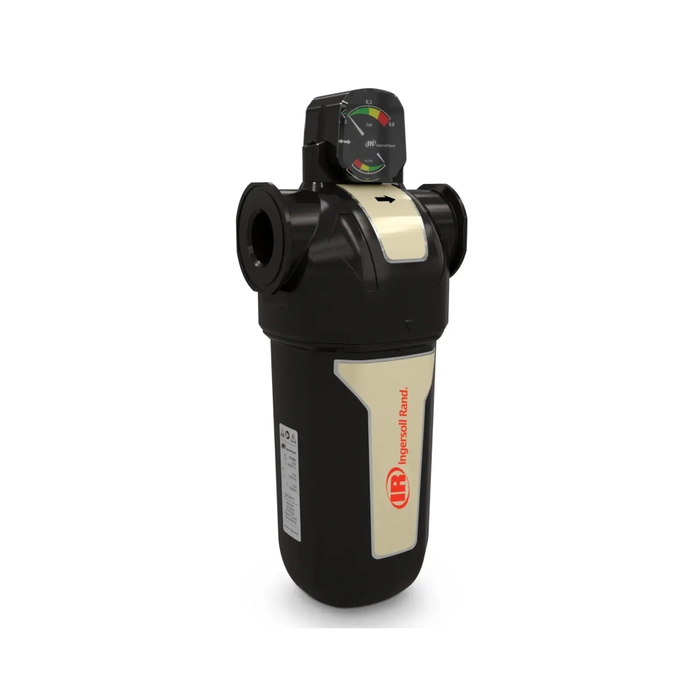
Many enterprises choose low-cost generic replacement motors to save short-term costs, which leads to multiple hidden risks. Non-OEM motors usually fail to meet Ingersoll Rand’s original power tolerance and heat dissipation standards. They feature poor overload resistance and insufficient durability under long-term industrial load, resulting in frequent overheating shutdowns and increased energy consumption. In addition, installing unapproved aftermarket motors will void the official equipment warranty, making enterprises unable to enjoy free after-sales maintenance services for host failures.
Post-replacement maintenance determines the long-term operating stability of the new motor. After successful replacement, teams need to check bearing lubrication status regularly, clean cooling fans and heat dissipation structures, and monitor operating current and temperature data during daily operation. Reasonable load control and regular inspection can effectively delay motor aging and maintain consistent power output of the compressor system. Genuine Ingersoll Rand replacement motors adopt high-grade insulation materials and precision bearings, delivering longer service cycles and more stable performance than generic alternatives.
In summary, standardized Ingersoll Rand air compressor motor replacement is a professional maintenance project that integrates parameter matching, safe operation and precise debugging. Adopting OEM dedicated motors and following official installation specifications can completely solve power failure problems of aging compressors. Scientific replacement and post-maintenance management help industrial enterprises reduce energy consumption, minimize equipment failure rates, and ensure long-term stable and efficient operation of Ingersoll Rand compressed air systems.
People who like this article also like:Essential Ingersoll Rand Towable Air Compressor Parts for Field Maintenance