
Why Ingersoll Rand Old Parts Catalog Matters for Legacy Compressor Maintenance
Many industrial factories still rely on durable legacy Ingersoll Rand air compressors that have served production lines for more than ten years. While new digital parts catalogs cover the latest compressor models, they often lack detailed data for discontinued and outdated equipment. For maintenance teams struggling to find matched spare components for old compressors, an official Ingersoll Rand old parts catalog becomes an irreplaceable technical resource. This archived catalog retains original factory data for early-generation compressor units, solving core procurement troubles for aging equipment and supporting accurate long-term maintenance of legacy Ingersoll Rand systems.
The biggest pain point of maintaining old Ingersoll Rand compressors is discontinued original parts and updated official part databases. With the iteration of compressor technology, Ingersoll Rand has upgraded part numbers, optimized component structures and eliminated outdated accessories year by year. New online electronic catalogs only display updated part codes and latest model parameters, failing to match original components of old machines. In contrast, the complete Ingersoll Rand old parts catalog records original part numbers, component dimension drawings, assembly schematics and matching relationships corresponding to vintage compressor models, covering early rotary screw compressors, traditional reciprocating compressors and first-generation mobile compression units.
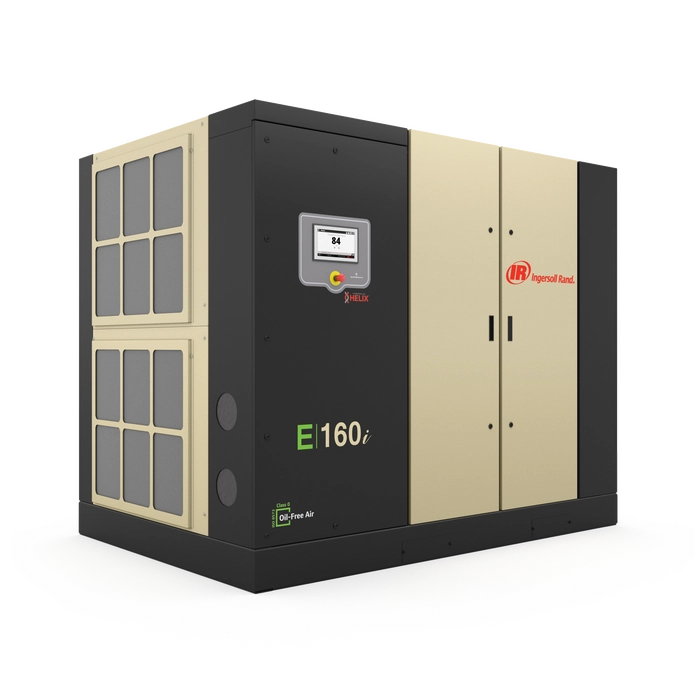
Accurate cross-reference of updated and obsolete part numbers is the core function of the Ingersoll Rand old parts catalog. Many maintenance technicians encounter problems where original old part numbers cannot be searched in modern catalogs. The archived old parts catalog provides official part number conversion tables, helping staff quickly match obsolete codes with newly replaced equivalent OEM parts. This avoids wrong part purchases caused by number updates, and ensures that replacement components can be perfectly installed on old compressor equipment without modification.
Complete internal assembly diagrams included in the old catalog also greatly improve overhaul efficiency for legacy compressors. Old Ingersoll Rand compressors adopt different internal structural designs compared with modern intelligent models. Without original disassembly drawings, inexperienced engineers are likely to damage internal pipelines, seals and rotor assemblies during deep maintenance. Every page of the Ingersoll Rand old parts catalog shows detailed component layout, installation sequence and torque parameters formulated according to original factory standards, guiding standardized disassembly, inspection and reassembly of old equipment.
Some enterprises choose universal aftermarket parts to replace discontinued original components for old compressors, which brings hidden operational risks. Generic modified parts do not fit the original design specifications of legacy compressors, easily causing air leakage, pressure instability, increased energy consumption and accelerated wear of host components. Moreover, improper replacement will affect residual equipment warranty and increase overhaul costs. Using the Ingersoll Rand old parts catalog to purchase matched original or cross-referenced OEM parts can completely avoid such compatibility risks and restore old compressors to factory operating performance.
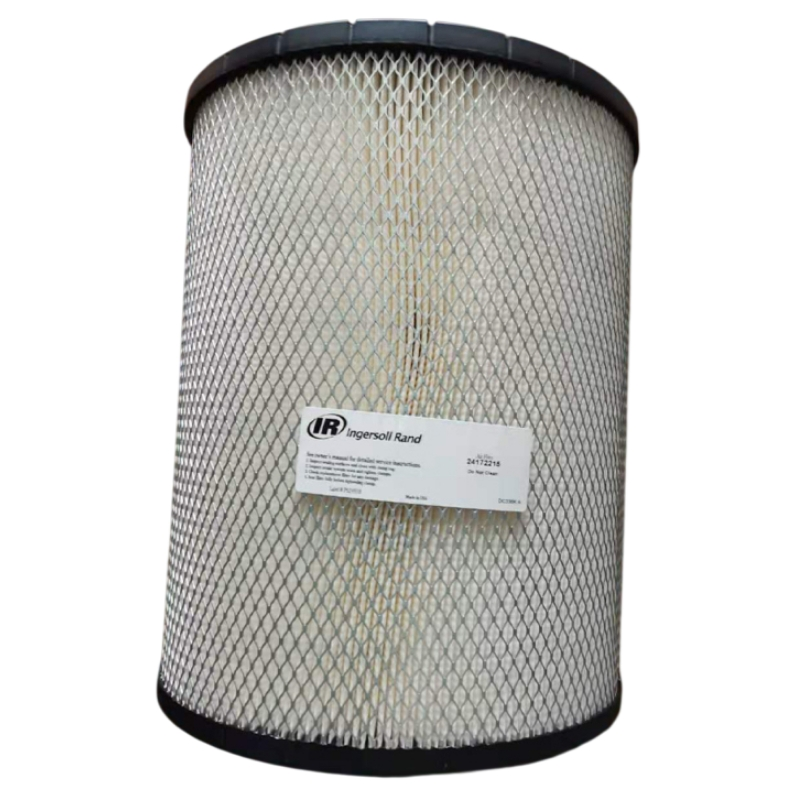
Authorized Ingersoll Rand suppliers can provide complete archived versions of the old parts catalog, including printed paper versions and downloadable PDF electronic files. Unlike incomplete third-party scattered catalog resources online, official archived old parts catalogs have complete data without missing pages or wrong part information. Professional suppliers also offer one-on-one part lookup services based on the old catalog, helping enterprises quickly locate hard-to-find spare parts for long-discontinued compressor models and shorten maintenance waiting time.
Many factory managers intend to eliminate old compressors directly due to difficult parts procurement, resulting in unnecessary cost waste. In fact, with the support of a standard Ingersoll Rand old parts catalog, most legacy compressors can keep stable operation for another 5 to 8 years after regular OEM parts replacement and standardized maintenance. It is a more cost-effective solution than purchasing brand-new compressors for enterprises with limited production budgets.
In conclusion, the Ingersoll Rand old parts catalog is an essential reference document for all factories equipped with legacy Ingersoll Rand compression equipment. It fills the data gap of modern digital catalogs for outdated models, realizes accurate part number conversion and standardized overhaul guidance. Making full use of official archived old parts catalogs helps maintenance teams solve spare parts procurement difficulties, extend the service life of old compressors and reduce overall industrial equipment operation and maintenance costs.
People who like this article also like:How Ingersoll Rand Air Compressor Parts Manual Simplifies Equipment Maintenance & Part Matching